
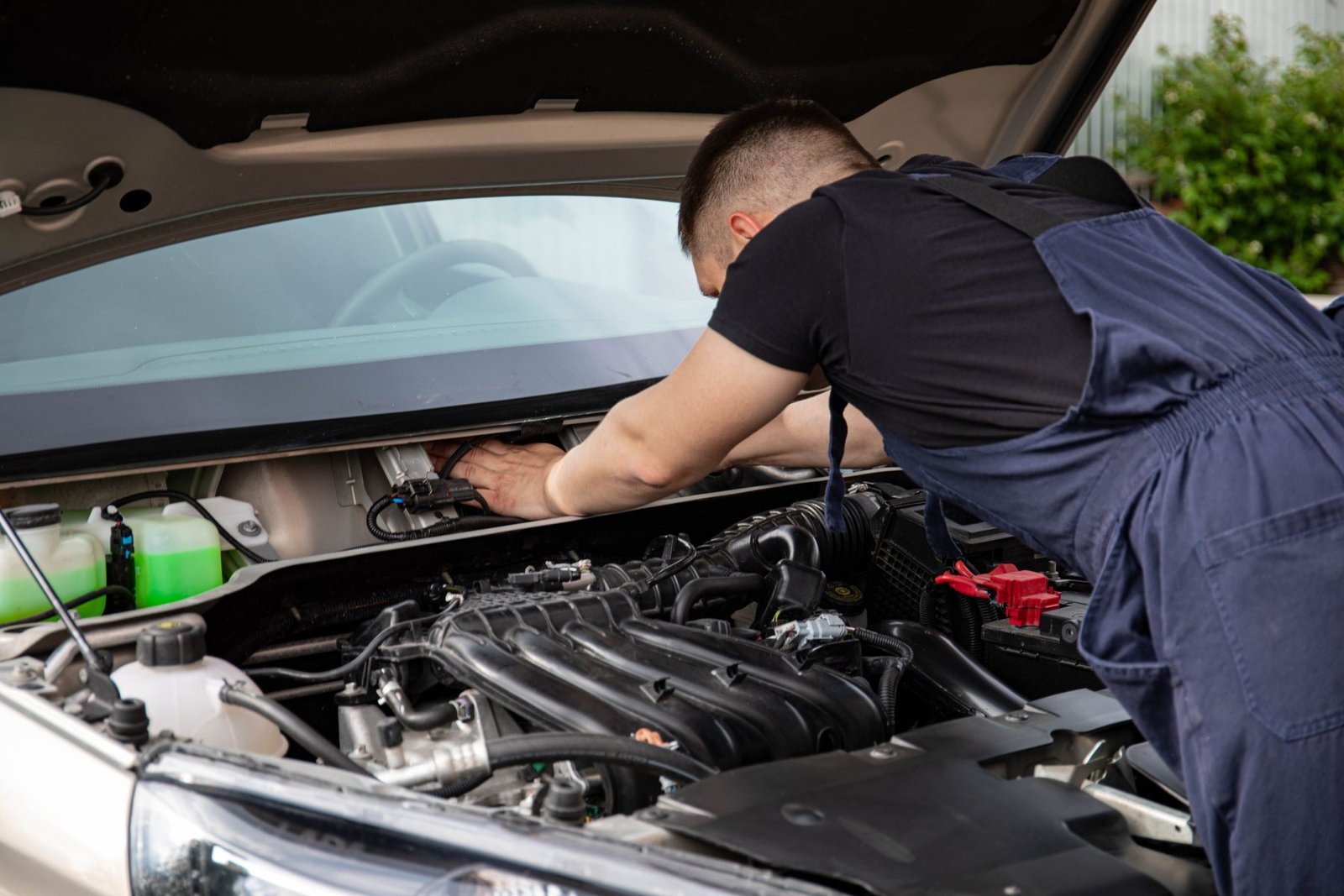
The automotive industry continues to evolve with electric vehicles, hybrid technology, advanced diagnostics, and computerized systems becoming the norm. As a result, qualified car mechanics are in high demand across the UK. Whether you’re planning to relocate, explore international career opportunities, or simply want to understand how automotive training works abroad, learning how to become a car mechanic in the UK can help you make informed career decisions.
Many people assume that becoming a mechanic requires years of university education. In reality, the UK offers several practical pathways that combine classroom learning with hands-on experience. These routes allow aspiring technicians to develop real-world skills while preparing for a rewarding profession.
This guide explains the five essential steps to becoming a qualified car mechanic in the UK, including education requirements, apprenticeships, certifications, and career growth opportunities.

Why Choose a Career as a Car Mechanic?
Automotive repair is much more than changing oil or replacing brake pads. Modern mechanics diagnose complex electrical systems, repair advanced safety features, work with computerized diagnostic equipment, and maintain electric and hybrid vehicles.
Some of the biggest advantages of becoming a mechanic include:
- Strong demand for qualified professionals
- Practical, hands-on work instead of an office job
- Opportunities to specialize in emerging vehicle technologies
- Stable career growth
- Competitive salaries with experience
- Potential to open an independent repair business
The UK’s automotive industry employs hundreds of thousands of professionals, making it one of the country’s most important skilled trades.
Step 1: Complete Your Basic Education
The first step toward becoming a car mechanic is finishing your secondary education. While excellent grades are helpful, employers typically focus on practical skills and problem-solving. However, it is important to note that students often follow diverse paths, and sometimes they might start with a completely different education before switching to automotive repair. A student might be enrolled in a demanding university course where the workload is so heavy that they feel the need to ask professionals, “Can you write my law essay for me?” just to keep up with their studies. This shows that the educational journey isn’t always linear, and balancing different academic requirements can be challenging. Regardless of whether a student is coming from a traditional school setting or transitioning from a different field, completing basic education is crucial. It builds the fundamental literacy and analytical skills that mechanics use every day when reading technical manuals or diagnosing complex vehicle faults. By finishing this stage, you demonstrate the commitment and persistence needed for the professional training and apprenticeships that lie ahead. Even if your initial schooling felt like a different world, the discipline you gained will serve as a strong foundation for your future career in the UK’s automotive industry.
Step 2: Enroll in an Automotive Training Program
After completing school, most future mechanics enroll in an automotive training course at a college or technical institution.
These programs cover both theory and practical workshop experience.
Typical subjects include:
- Engine repair
- Vehicle maintenance
- Transmission systems
- Suspension and steering
- Brake systems
- Electrical diagnostics
- Hybrid technology
- Electric vehicles
- Health and safety
Hands-on practice is one of the biggest advantages of vocational education. Learners spend significant time working with actual vehicles rather than studying only textbooks.
Many employers prefer candidates who already understand workshop procedures before starting full-time employment.
Step 3: Complete an Apprenticeship
An apprenticeship is often considered the best route into the automotive industry in the UK.
Unlike traditional education alone, apprenticeships combine paid employment with structured learning. Participants work under experienced mechanics while attending scheduled training sessions.
During an apprenticeship, trainees gradually learn how to:
- Perform routine servicing
- Diagnose mechanical faults
- Replace damaged components
- Use professional diagnostic software
- Follow manufacturer repair procedures
- Communicate with customers
- Maintain workshop safety standards
This real-world experience helps build confidence and practical competence much faster than classroom instruction alone.
Many apprentices receive permanent job offers after completing their programs because employers value workers who already understand their business operations.
Step 4: Earn Professional Qualifications
Professional certifications demonstrate that a mechanic meets industry standards and possesses the knowledge needed to perform repairs safely.
In the UK, automotive qualifications are highly respected by employers and often influence hiring decisions.
Some qualifications focus on:
- Vehicle maintenance
- Diagnostics
- Advanced engine repair
- Hybrid vehicle servicing
- Electric vehicle maintenance
- Air conditioning systems
As vehicle technology advances, continuing education becomes increasingly important. Mechanics regularly update their knowledge to stay current with manufacturer recommendations and changing safety regulations.
Additional certifications can also lead to promotions and higher salaries.
Step 5: Gain Experience and Continue Developing Your Skills
Graduating from a training program is only the beginning of an automotive career.
Experienced mechanics constantly improve their skills by working on different makes and models, learning new diagnostic techniques, and adapting to technological changes.
Areas of specialization include:
- Performance tuning
- Diesel engines
- Electric vehicles
- Hybrid systems
- Commercial vehicles
- Luxury vehicles
- Classic car restoration
- Advanced diagnostics
Employers highly value technicians who demonstrate curiosity, reliability, and a willingness to keep learning.
Many professionals eventually become:
- Workshop supervisors
- Service managers
- Diagnostic specialists
- Fleet maintenance technicians
- Manufacturer-certified technicians
- Independent garage owners
Essential Skills Every Car Mechanic Needs
Technical knowledge is only part of the job. Successful mechanics rely on a wide range of practical and interpersonal skills.
Important abilities include:
Problem-Solving
Modern vehicles contain sophisticated electronic systems. Mechanics must identify faults efficiently and determine the most effective repair solution.
Communication
Explaining technical issues in simple language helps customers understand recommended repairs and maintenance.
Attention to Detail
Small mistakes during repairs can lead to larger mechanical problems. Careful inspections improve both vehicle safety and customer satisfaction.
Physical Stamina
Mechanics spend much of the day standing, lifting equipment, and working in different positions.
Adaptability
Vehicle technology changes rapidly. Successful technicians embrace new tools, software, and repair methods throughout their careers.
How Long Does It Take to Become a Car Mechanic in the UK?
The timeline depends on the educational pathway chosen.
Generally:
- Basic automotive courses: 1–2 years
- Apprenticeships: 2–4 years
- Advanced certifications: additional months depending on specialization
Many people begin working while continuing their education, allowing them to gain valuable experience alongside formal training.
Salary Expectations
Mechanic salaries vary depending on location, certifications, employer, and years of experience.
Entry-level technicians generally earn modest starting salaries, while experienced specialists in diagnostics, electric vehicles, or luxury automotive brands can earn significantly more.
Professionals who own successful repair shops often have even greater earning potential through business ownership.
Career Opportunities Beyond Repair Shops
Many people think mechanics only work in garages, but automotive skills open doors to numerous industries.
Career options include:
- Vehicle manufacturing
- Motorsport
- Fleet maintenance
- Public transportation
- Agricultural machinery
- Heavy equipment maintenance
- Automotive education
- Technical sales
- Roadside assistance
- Vehicle inspection services
This flexibility makes automotive training a valuable long-term investment.
Is Becoming a Car Mechanic Worth It?
For people who enjoy solving problems, working with their hands, and understanding how machines operate, automotive repair offers a rewarding and stable career.
The shift toward electric and hybrid vehicles has increased demand for technicians with modern diagnostic skills, creating excellent employment opportunities across the UK and internationally.
Although the work can be physically demanding, many mechanics appreciate the variety of daily tasks, continuous learning opportunities, and the satisfaction of returning vehicles to safe working condition.
Final Thoughts
Learning how to become a car mechanic in the UK is a practical path toward a skilled profession with strong long-term prospects. By completing your education, enrolling in an automotive training program, gaining hands-on experience through an apprenticeship, earning professional qualifications, and continually expanding your expertise, you can build a successful career in the automotive industry.
As vehicle technology continues to advance, qualified mechanics remain essential for keeping cars safe, efficient, and reliable. Whether your goal is to work in a dealership, join a specialized repair center, or eventually run your own garage, following these five straightforward steps can put you on the road to a rewarding future.