
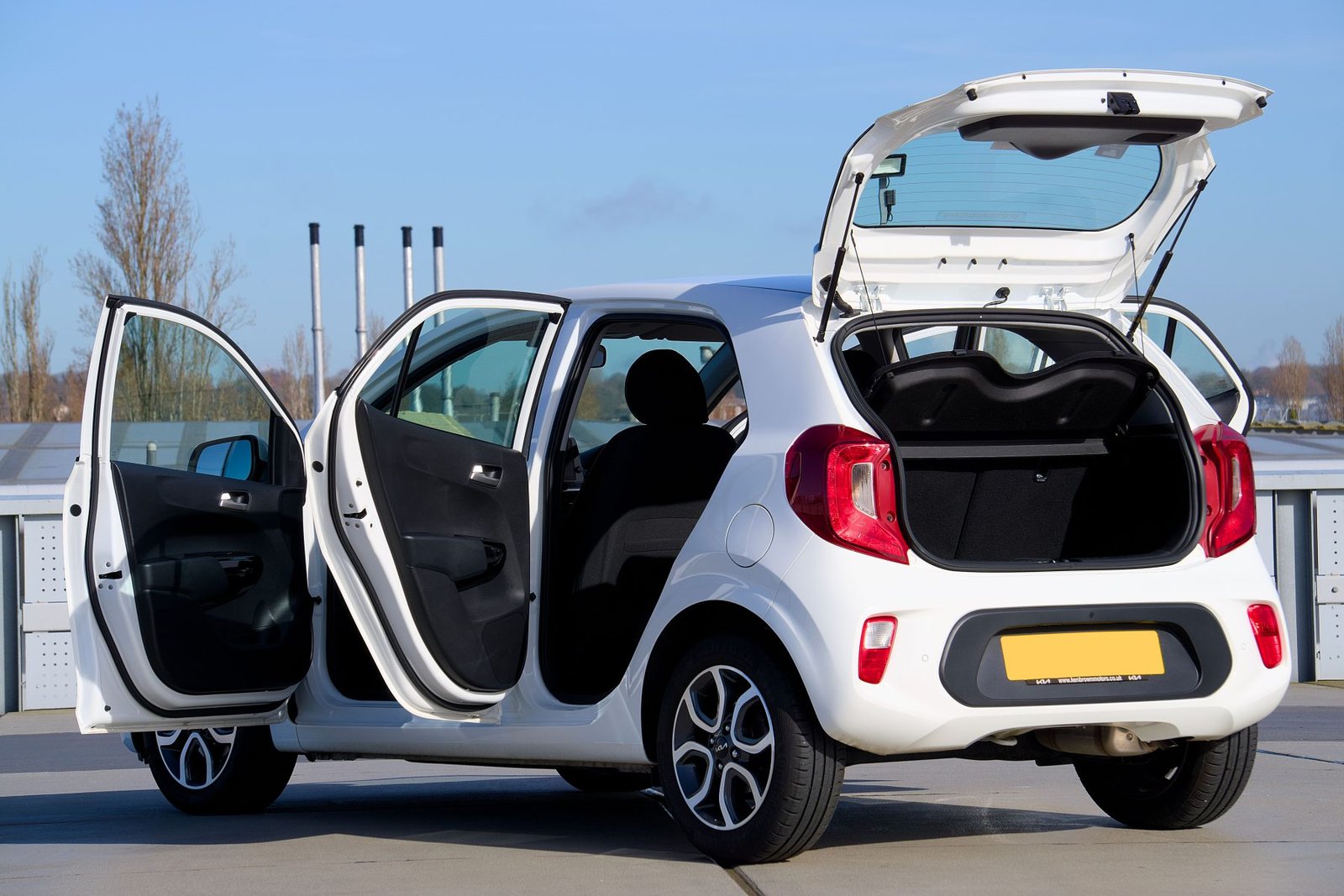
Buying a first vehicle is a major milestone during college. Whether you need transportation for commuting to campus, weekend trips, internships, or a part-time job, choosing the right car can make everyday life much easier. The best cars for college students in 2026 combine affordability, fuel efficiency, reliability, safety, and low maintenance costs.
While flashy sports cars may seem appealing, practical vehicles usually provide the best value. Insurance premiums, repair expenses, fuel consumption, and resale value should all influence your decision. A dependable car can help you focus on your education instead of unexpected repair bills.
This guide explores what makes a great college vehicle and highlights some of the top models available in 2026.

Why College Students Need a Car
In the demanding landscape of higher education, a personal vehicle transcends mere convenience, becoming a critical tool for college students balancing rigorous academics with burgeoning professional lives. The relentless pace of coursework, coupled with part-time jobs and internships, often leaves students with minimal spare time. A car offers unparalleled flexibility, drastically cutting down commute times and freeing up precious hours that would otherwise be spent navigating public transport. This enhanced mobility is invaluable for attending early morning classes, late-night study sessions, or reaching off-campus opportunities. Yet, even with this logistical advantage, the academic workload can be daunting. When faced with complex assignments and tight deadlines, students frequently turn to external support. By engaging with professionals and asking, “Can you write my powerpoint presentation for me EduBirdie online?”, students can significantly save time and ensure a polished, impactful presentation. This strategic delegation allows them to focus on other critical tasks, knowing their presentation will be expertly crafted, ultimately leading to a great presentation and alleviating academic stress.
What Makes a Great College Car?
Before comparing models, it’s important to understand which features matter most.
Affordability
Most college budgets are limited. Besides the purchase price, remember to calculate:
- Insurance costs
- Fuel expenses
- Registration fees
- Maintenance
- Unexpected repairs
Sometimes spending slightly more on a reliable vehicle saves thousands over several years.
Fuel Efficiency
Gas prices fluctuate throughout the year. Cars that achieve excellent miles per gallon (MPG) reduce monthly transportation expenses, especially for commuters traveling long distances.
Hybrid models have become even more attractive in 2026 thanks to improved battery technology and lower operating costs.
Reliability
Few things are more stressful than a vehicle breaking down before an important exam or internship interview.
Brands known for long-term reliability often require fewer repairs and maintain their value longer.
Safety
Modern vehicles include advanced driver assistance systems that significantly improve safety, including:
- Automatic emergency braking
- Blind-spot monitoring
- Lane-keeping assistance
- Rear cross-traffic alerts
- Adaptive cruise control
These technologies help new drivers avoid common accidents.
Low Maintenance Costs
Routine maintenance is unavoidable, but some vehicles are much cheaper to own than others. Widely available replacement parts and dependable engineering help reduce repair bills over time.
Best Cars for College Students in 2026
Toyota Corolla
The Toyota Corolla continues to be one of America’s best-value compact cars.
Why it’s a great choice:
- Excellent fuel economy
- Outstanding reliability
- Comfortable ride
- Strong resale value
- Modern safety features
Whether buying new or certified pre-owned, the Corolla remains one of the safest financial decisions.
Honda Civic
The Honda Civic offers an excellent balance between affordability and driving enjoyment.
Key advantages include:
- Great fuel efficiency
- Spacious interior
- Modern technology
- Excellent reliability record
- Strong resale value
Many drivers keep Civics well beyond 200,000 miles with routine maintenance.
Mazda3
For those wanting something slightly more stylish without sacrificing practicality, the Mazda3 deserves serious consideration.
Highlights include:
- Premium-looking interior
- Fun driving dynamics
- Excellent safety ratings
- Available all-wheel drive
- Efficient engines
It feels more upscale than many competitors while remaining affordable to own.
Hyundai Elantra
Hyundai has continued improving both quality and value.
The Elantra offers:
- Attractive pricing
- Long warranty coverage
- Excellent fuel economy
- Modern infotainment system
- Comfortable seating
The warranty provides additional peace of mind for first-time car owners.
Toyota Prius
For drivers covering many miles every week, the Prius remains one of the smartest investments.
Benefits include:
- Exceptional fuel economy
- Reliable hybrid technology
- Low maintenance costs
- Spacious cabin
- High resale value
Lower fuel expenses can save thousands over several years.
Subaru Impreza
Drivers living in snowy or rainy regions should consider the Subaru Impreza.
Advantages include:
- Standard all-wheel drive
- Excellent safety
- Comfortable ride
- Practical hatchback option
- Reliable performance in poor weather
It offers extra confidence during difficult driving conditions.
Honda HR-V
Small SUVs continue gaining popularity because they provide additional cargo space without excessive fuel costs.
The HR-V delivers:
- Flexible interior
- Good fuel efficiency
- Easy parking
- Comfortable seating position
- Strong reliability
It’s ideal for moving between dorms, apartments, and internships.
Kia Soul
The Kia Soul remains one of the most practical compact vehicles available.
Reasons many buyers love it:
- Excellent cargo space
- Affordable pricing
- Easy maneuverability
- Comfortable cabin
- Unique styling
Despite its compact size, it offers surprising room for groceries, luggage, and sports equipment.
Should You Buy New or Used?
Both options have advantages.
Buying New
A new car provides:
- Full warranty
- Latest safety features
- Better fuel economy
- No previous wear and tear
- Lower repair risk
The downside is higher purchase prices and faster depreciation.
Buying Used
Certified pre-owned vehicles often deliver excellent value.
Benefits include:
- Lower purchase price
- Reduced depreciation
- Lower insurance premiums
- More options within budget
A thorough vehicle history report and professional inspection are essential before purchasing.
Budgeting Beyond the Purchase Price
Many first-time buyers focus only on monthly loan payments, but ownership includes several ongoing expenses.
Consider budgeting for:
- Fuel
- Insurance
- Oil changes
- Tire replacement
- Registration
- Parking permits
- Car washes
- Emergency repairs
Building a small emergency fund specifically for vehicle maintenance can prevent financial stress later.
Tips for Saving Money on Your First Car
Making smart decisions before buying can significantly reduce long-term costs.
Helpful strategies include:
- Compare insurance quotes before choosing a model.
- Consider certified pre-owned vehicles.
- Research long-term reliability ratings.
- Avoid unnecessary luxury features.
- Keep up with regular maintenance.
- Check financing rates from multiple lenders.
- Review fuel economy estimates based on your driving habits.
Even small savings each month add up throughout college.
Electric Vehicles: Are They Worth It?
Electric vehicles continue becoming more affordable in 2026, but they aren’t ideal for everyone.
An EV may be a great choice if:
- You have reliable charging access.
- Most driving is local.
- Electricity costs are lower than gasoline.
- State incentives reduce purchase prices.
However, apartment living or limited charging infrastructure may make traditional gasoline or hybrid vehicles a more practical option.
Features Worth Prioritizing
When comparing different models, these features provide the greatest everyday value:
- Apple CarPlay or Android Auto
- Backup camera
- Bluetooth connectivity
- USB charging ports
- Automatic emergency braking
- Blind-spot monitoring
- Good fuel economy
- Comfortable seating
- Folding rear seats
These features improve convenience without dramatically increasing ownership costs.
Final Thoughts
Choosing the best car for college in 2026 is about balancing affordability, reliability, safety, and long-term value. Vehicles like the Toyota Corolla, Honda Civic, Mazda3, Hyundai Elantra, Toyota Prius, Subaru Impreza, Honda HR-V, and Kia Soul consistently rank among the smartest options for young drivers because they minimize ownership costs while delivering dependable performance.
Before making a purchase, compare insurance rates, estimate annual fuel costs, and research reliability reports. Test-drive multiple vehicles to find one that fits both your budget and your daily routine.
A dependable car is more than just transportation—it can make commuting easier, support internships and part-time work, simplify grocery runs, and provide the freedom to explore new opportunities throughout your college years. By focusing on practicality instead of unnecessary luxury, you’ll make a purchase that continues to pay off long after graduation.