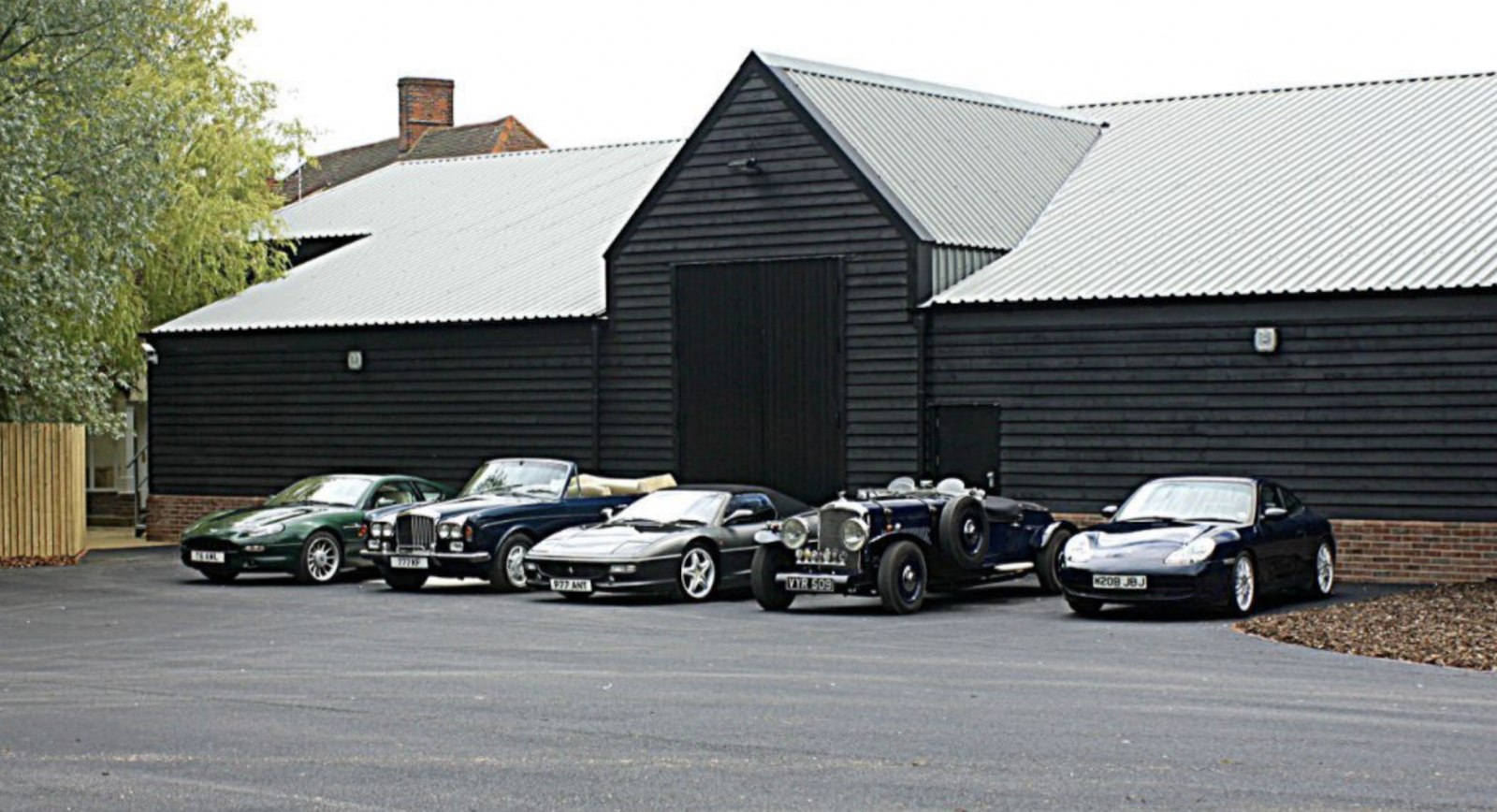
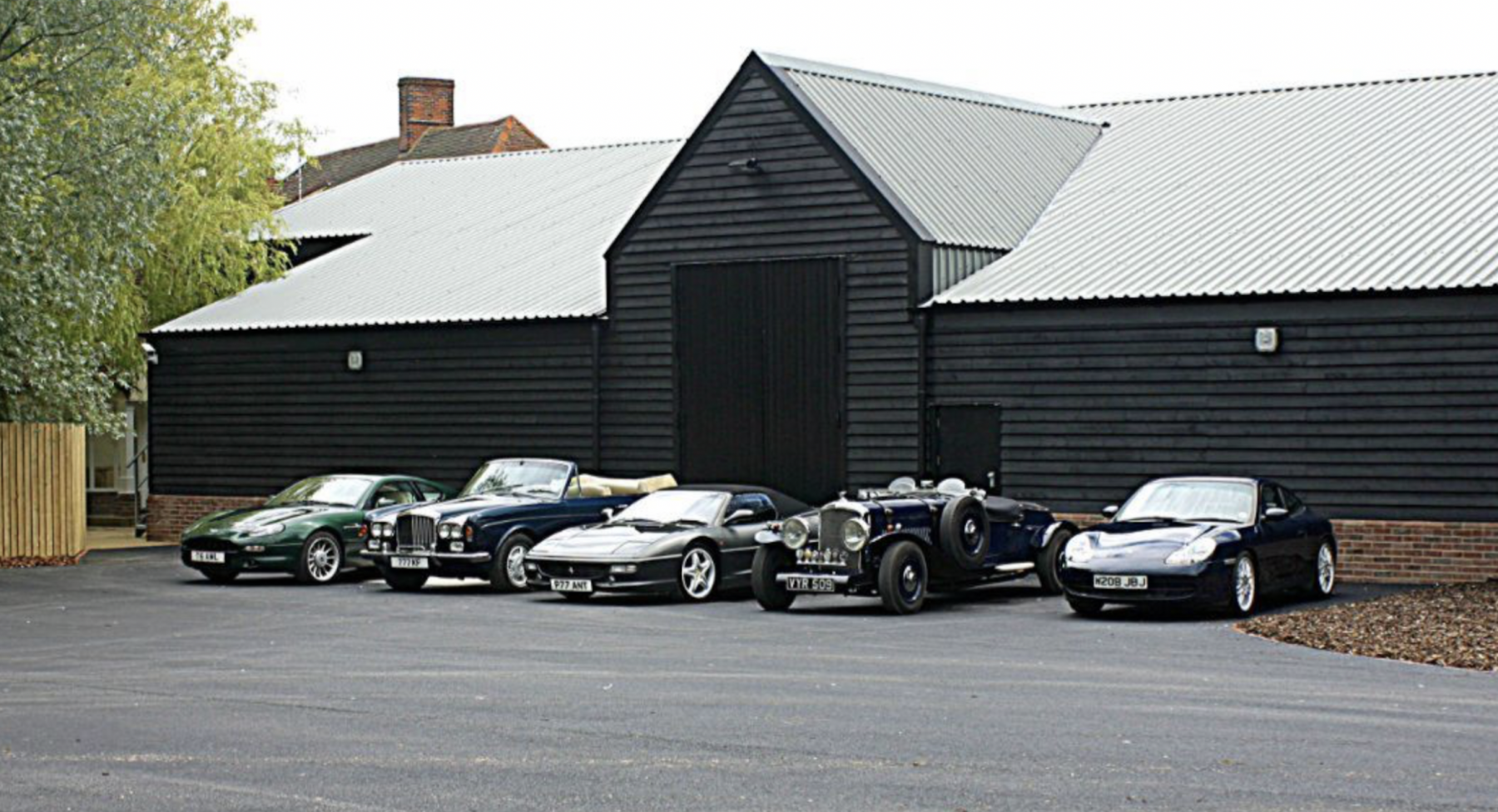
Some classic cars have always held their value, but the last couple of years have pushed certain models into territory that even the most optimistic owners didn’t see coming. Ford Escort Cosworths and Capri Brooklands are regularly smashing guide prices at NEC auctions. Porsche 996s are finally getting the respect they deserve as collectables. Clean Ferrari F430s with manual gearboxes are trading well above where they were just five years ago.
The broader market is selective, sure, but for the right car in the right condition, prices aren’t just holding. They’re climbing. So what’s actually fuelling this, and what should owners be doing to protect a car that’s now worth considerably more than they paid for it?
Who’s Buying and Why Prices Are Moving
A big part of the story is generational. Gen X and older millennials are now in their peak earning years, and a lot of them are chasing the cars they grew up dreaming about. That’s exactly why 1990s and early 2000s models have seen some of the sharpest gains. The VW Golf GTI Mk 2, the BMW E46 M3, early Subaru Imprezas, even the Peugeot 205 GTI have all gone from “cheap used car” to “sought-after modern classic” in a remarkably short window.
At the top end, things haven’t slowed down either. RM Sotheby’s London sale in November 2025 brought in over £23 million, with a Ferrari FXX-K Evo fetching £4.73 million. British marques still carry serious international appeal too, especially early Jaguar E-Types and well-restored Aston Martin DB4s.
Then there’s the electrification factor. With the UK’s 2030 ban on new petrol and diesel car sales getting closer (hybrids will follow by 2035), combustion-era vehicles are picking up a “last of their kind” quality that collectors can’t ignore. Nobody’s suggesting fuel will disappear overnight, but the direction of travel is making certain ICE cars feel more finite. That scarcity perception is pushing buyers to act sooner instead of later.
How to Look After a Car That’s Gone Up in Value
So, if you’ve got one of these highly desirable cars, should you take advantage of current prices and sell, or hold on a bit longer? For many owners, the answer is to keep the car but change how they look after it. Something that was once a weekend toy might now be worth six figures, and that changes the whole calculation.
Moisture and temperature swings are the biggest threats to a car that’s sitting between drives. Rust doesn’t care what your car is worth. Humidity-controlled environments, where levels stay below 55%, will keep corrosion at bay far more effectively than a standard garage. That’s partly why professional car storage services have become such a popular option for collectors who want to preserve both the car and its value.
Insurance is another thing that catches people out. If your car has appreciated significantly, your existing policy might not cover what it’s actually worth today. An agreed value policy based on a recent valuation will close that gap, so get one sorted sooner instead of later.
Don’t Let the Value Sit Unprotected
Classic car values don’t move in a straight line, and the market in 2026 is rewarding condition and provenance above everything else. Buyers are pickier than ever, and the cars fetching strong prices are the ones that have been looked after properly. If you own something that’s gone up in value, treat it like the asset it’s become.