Scrolling through car listings on a quiet Sunday evening, it is easy to fall for a shiny hatchback with a tempting price. Online marketplaces have made buying a used vehicle more convenient than ever, but they have also made it easier to hide problems behind careful photography and clever wording.
Most buyers know to check the tyres and service history. The warning signs that catch people out are usually subtler, and they often appear long before a viewing. Spotting them early can save you a wasted journey, a large repair bill, or something far worse.
When the Price Looks Too Good
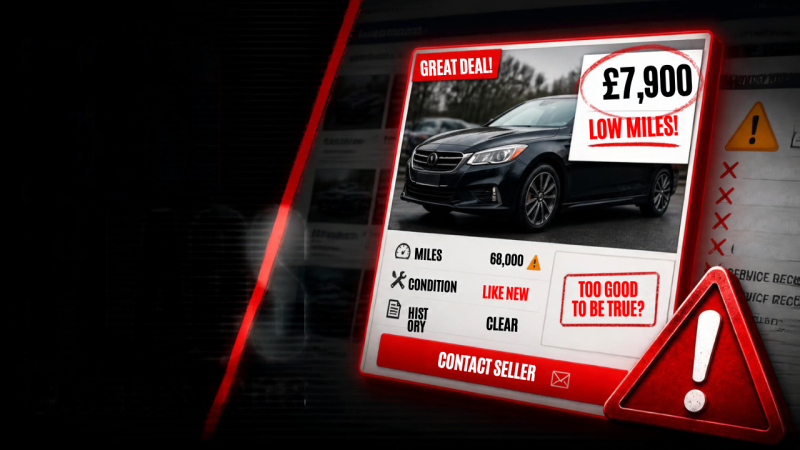
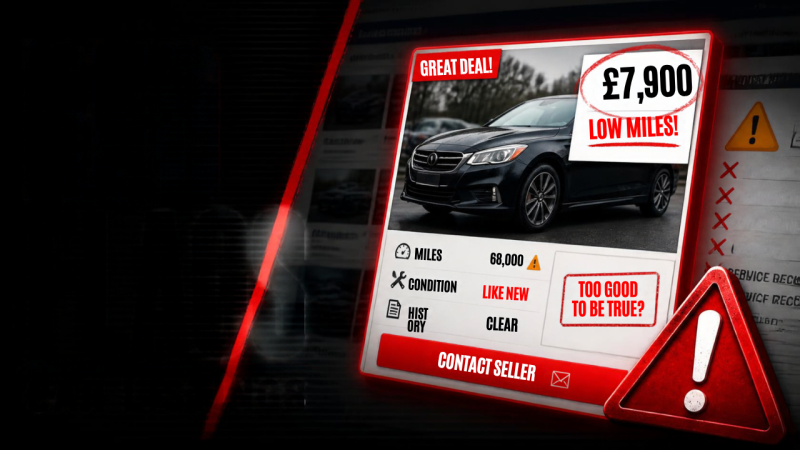
Every buyer loves a bargain, but a car listed well below similar examples deserves suspicion. Used car values in the UK are fairly transparent, with valuation tools and hundreds of comparable adverts a few clicks away. Sellers rarely leave serious money on the table without a reason.
That reason might be a hidden fault, a history the seller would rather not discuss, or a vehicle that does not exist at all. Compare the asking price with several similar offers of matching age, mileage, and specification before getting attached.
Photos That Say More Than the Seller Intended
Pictures can be surprisingly revealing. A good listing usually shows the car from every side, along with the interior, the dashboard, and the boot.
Borrowed or Stock Images
Studio backgrounds, dealer watermarks, or scenery that does not match the seller’s area should raise questions. Scammers regularly lift images from dealer websites and old adverts. A reverse image search takes seconds and can show whether the same pictures appear elsewhere.
Wet Paint and Missing Angles
Rainwater makes paintwork glossy, which helps disguise swirl marks, mismatched panels, and small dents. Photos taken at dusk or in heavy shade can hide the same things. If a listing shows three flattering angles but never the rear corner or passenger side, ask for extra pictures.
Pressure Tactics and Payment Requests
A seller who claims other buyers are already on the way, or who insists the car will be gone by tonight, is trying to rush you. The urge to skip the waiting is the same instinct that makes bonus buy slots appealing to some players, and in both cases the shortcut can cost more than it appears.
Some sellers also ask for a deposit to hold the vehicle before you have seen it. Never transfer money for a vehicle you have not viewed in person. Be wary of anyone who says they are working abroad and will arrange delivery through a courier or escrow service, as this is a well-known fraud pattern.
Descriptions Worth Reading Twice
Some phrases deserve a second look. Lines such as “just needs a re-gas”, “minor warning light“, or “easy fix” frequently point to repairs that are neither cheap nor simple. An air conditioning system that has lost its gas often has a leak, and a warning light can mean anything from a loose sensor to a failing gearbox.
Missing information matters too. A listing that skips the number of previous owners, the MOT expiry date, or the service record may simply be lazy. It may also be deliberate, so ask directly and note how clearly the seller answers.
Paperwork and History Checks
The registration number is often visible in the photos, and many sellers include it in the advert. If they refuse to share it, treat that as a warning.
MOT Records and Mileage
The government’s free MOT history service shows past test results, advisories, and the mileage recorded at each test. A sudden drop in mileage or a long gap without a test deserves an explanation. Advisories about corrosion, suspension wear, or brakes that repeat year after year can reveal more about a car’s life than the seller ever will.
Finance, Write-Offs, and Cloned Cars
A paid vehicle history check can reveal outstanding finance, insurance write-off categories, and whether a car has been reported stolen. Category S means the car suffered structural damage. Category N covers non-structural damage. Neither makes a car unbuyable, but both affect its value.
Cloning is rarer but more serious. Criminals copy the identity of a legitimate car and attach it to a stolen one of the same make and model. When viewing, check that the vehicle identification number on the V5C logbook matches the one on the car, usually visible at the base of the windscreen.
Who Is Really Selling the Car?
Some traders pose as private sellers to dodge their legal obligations. Buying from a dealer gives you protection under the Consumer Rights Act 2015, whereas a private seller mainly has to describe the car accurately. Watch for sellers with several cars listed at once or photos showing the same driveway with different vehicles.
Try to view the car at the address printed on the logbook. A seller who suggests meeting in a supermarket car park may have an ordinary excuse, but it removes one of the easiest ways to confirm who they are.