
Getting a finish that looks good and lasts is no small feat in car manufacturing. Components go through a lot, damp weather, temperature swings, grit from the road and chemical exposure, so how well a part is coated really does affect how it performs and how it looks down the line.
Whether it’s body panels, chassis parts, brackets, trims or something more specialised, manufacturers depend on tightly controlled finishing processes to get consistent results. Even so, defects still crop up now and then, even in well-run factories, and when they do, they mean more waste and more rework.
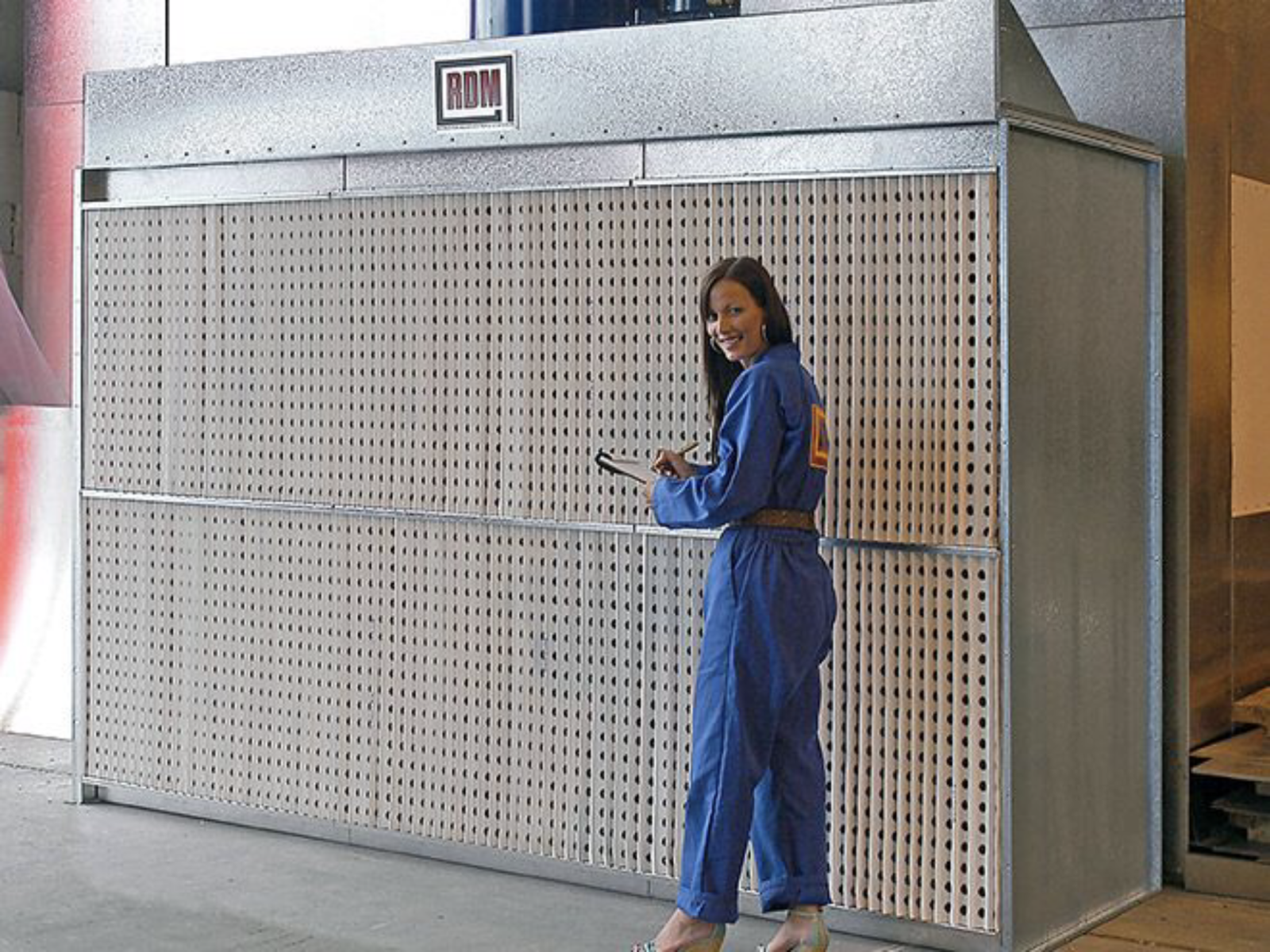
Knowing what usually goes wrong makes it easier to catch problems early and keep the finishing process running smoothly. A big part of that comes down to the application environment itself. Properly maintained spray booths help keep airflow, contamination and overspray under control, which makes for more consistent conditions when applying a finish. Beyond that, it’s really about the basics done well: thorough preparation, careful process control and regular checks along the way. For many automotive components, powder coating is one finishing method where controlling each stage of the process is essential to achieving a durable, consistent result.
When Surface Prep Falls Short
Of all the stages in the coating process, surface preparation is probably the one that matters most. Before any paint or protective coating goes on, the surface needs to be properly clean, no oil, grease, dust or leftover residue from earlier stages of manufacturing.
Skip a step here, or rush it, and the coating might not bond properly. That’s when you start seeing peeling, blistering, corrosion, or just an uneven, patchy finish. And because these problems often aren’t obvious until later, fixing them can mean stripping components back and starting again, not ideal in a production environment.
Cleaning, degreasing, abrasive blasting, chemical pre-treatment, which of these gets used, and how, depends on the material and what the finished part needs to be able to withstand. The manufacturers who see fewer defects tend to be the ones who keep their prep procedures consistent and check on them regularly.
Contamination Creeping In
Even tiny particles, dust, dirt, a bit of oil, can end up trapped in a finish and cause visible problems. It doesn’t take much.
Contamination can come from all sorts of places: equipment that hasn’t been cleaned properly, a messy work area, airborne particles drifting in from somewhere else on the shop floor. In a busy factory with a lot going on at once, keeping on top of this takes real attention and a bit of forward planning.
Keeping work areas clean, checking filtration regularly and inspecting equipment often all help. It also helps if operators stick to consistent cleaning routines before coating even begins.
Getting the Application Right
There’s a balance to strike when applying a coating. Too little, and you get poor coverage and weaker protection. Too much, and you end up with an uneven surface, longer curing times, and material going to waste.
A lot of the time, these issues trace back to equipment settings that aren’t quite right, or technique that varies from one operator to the next. Trickier suspension component shapes, tight corners, recessed areas, awkward angles, often need extra care to get an even coat across the whole surface.
Standardising how the coating is applied, keeping equipment properly maintained, and checking things regularly during production all help keep things consistent. Measuring coating thickness as you go is a good way to spot problems before they spread across a whole batch.
Curing and Drying Issues
How a coating cures has a big effect on what it’s like at the end, how hard it is, how well it’s stuck down, how it looks, how long it’ll last. Get the curing conditions wrong, and it shows.
Under-cure a coating and it stays soft and easily damaged. Over-cure it, and you can end up with colour changes or reduced performance. Neither is good, and avoiding both comes down to getting the temperature and timing right.
This matters even more with powder coating, where the coating has to reach a specific temperature for the right chemical reaction to happen. How thick the component is, what it’s made from, and how the oven is loaded can all shift the results.
Keeping an eye on curing equipment and temperature monitoring helps keep this stage consistent.
Keeping Equipment in Good Shape
Coating equipment needs regular attention. Left unchecked, parts wear down, get dirty, or drift out of adjustment, and defects start creeping in as a result.
That means cleaning application equipment, checking filters, inspecting ventilation, and making sure curing equipment is doing what it should. Skip maintenance for too long and you start to see inconsistent finishes, and sometimes unplanned downtime too.
A proper maintenance schedule means problems get caught before they cause bigger issues. Keeping records of inspections and repairs also helps spot patterns over time, if something keeps going wrong, the records usually show why.
Quality Control That Actually Catches Things
None of this works without solid quality control. Without regular checks, defects can slip through unnoticed, and that usually means more components getting rejected further down the line.
Visual inspections, thickness measurements, adhesion testing, performance checks, together, these confirm whether a finished part actually meets the standard it needs to.
It’s also worth looking back at the data every so often. If the same kind of defect keeps turning up, working out when and where it happens is often the quickest way to find out why.
Bringing It All Together
Defects can creep in at any stage, prep, application, curing, inspection, and while each one might seem small on its own, multiplied across a full production run, it adds up fast.
Improving coating quality really comes down to consistency: solid process control, well-maintained equipment, and operators who know what to look out for. Understanding where things tend to go wrong, and addressing it through better habits and upkeep, tends to mean less waste and more reliable results overall.
At the end of the day, a coating process that’s properly looked after doesn’t just mean better-looking parts, it makes the whole operation easier to manage and predict. And as standards keep rising in automotive manufacturing, that kind of control over the finishing process is only going to matter more.